
Introduction
Since Kamala Harris became the first woman, first Black American, and first South Asian American to be Vice President of the United States, her race has been spoken about a lot in the news, in schools, and in society. Her racial and ethnic origin is not just a story of her family’s history; it is also a sign of how American politics is changing and how people of color are becoming more involved. To understand Kamala Harris’s race, you need to look more closely at her family history, childhood, cultural influences, and the larger social significance of her identity.
Kamala Devi Harris was born on October 20, 1964, in Oakland, California, a city with a long history of civil rights activity and a wide range of cultures. Multicultural experiences, academic success, and strong familial ideals based on social justice impacted her life from a young age. Her racial identity is a mix of many cultures, histories, and traditions that come together to make a unique and strong story in current American politics.
Family History and Background
To comprehend Kamala Harris’s racial identity, it is crucial to investigate her familial heritage. Her parents were immigrants to the United States from different regions of the world, and each brought with them a wealth of cultural traditions and intellectual legacies.
Mother’s Background
Shyamala Gopalan, Kamala Harris’s mother, was born in Chennai, India, which was then called Madras. She was from a Tamil Brahmin family and came to the US in 1958 to get a PhD in nutrition and endocrinology from the University of California, Berkeley. In the 1960s, Shyamala Gopalan was a well-known cancer researcher and civil rights activist who was very active in campaigns for social justice.
Kamala Harris’s Indian background had a big impact on her ethnicity and identity. Harris learned about Indian culture, traditions, food, and morals when she was very young. Going to India and spending time with extended family members helps strengthen this cultural link.
Father’s Background
Donald Harris, Kamala Harris’s father, was born in Jamaica. He is of African origin, with ancestors who were enslaved Africans brought to the Caribbean during the colonial era. Later, Donald Harris became a professor of economics at Stanford University. He was distinguished for both his scholarly work and his political engagement.
Kamala Harris is Black American because of her African and Caribbean ancestry. Harris is linked to the larger African diaspora and the historical challenges and successes of Black communities around the world through her father’s ancestry.
Table: Overview of Kamala Harris’s Ancestral Roots
| Parent | Country of Origin | Ethnic Background | Professional Background |
|---|---|---|---|
| Mother | India | South Asian (Tamil Indian) | Cancer researcher and civil rights activist |
| Father | Jamaica | Black Caribbean (African descent) | Economist and university professor |
Kamala Harris’s race cannot be comprehended merely through lineage; it is also influenced by personal experience. After her parents split, Harris’s mother mostly raised her. She made sure that her girls were proud of their culture and aware of the world around them. They lived in different neighborhoods in Berkeley and later in Montreal, Canada, where Harris went to high school.
Harris grew up learning about both Indian and Black cultures. She went to Hindu temples, Indian festivals, and Black churches and community gatherings. This dual experience helped her gain a deep but clear awareness of her racial identity.
Harris has long talked about accepting all pieces of who she is instead of seeing her history as divided. This viewpoint has emerged as a fundamental aspect of dialogues around Kamala Harris’s race, emphasizing the coexistence of multiracial identities devoid of conflict or hierarchy.
The Impact of Historically Black Colleges and Universities on Education
An essential part of Kamala Harris’s narrative is that she chose to go to Howard University, a historically Black college in Washington, D.C. Howard has been a hub for Black intellectualism, activism, and leadership training for a long time. Harris’s stint at Howard had a big impact on how she thinks about politics and how she leads.
She joined Black student groups at Howard, took part in debates about race and justice, and made friends in the Black community that would last her whole life. This encounter made her feel more connected to her Black identity while also honoring her South Asian ancestors.
Table: Important Life Stages
| Life Stage | Location | Cultural Influence | Impact on Identity |
|---|---|---|---|
| Early Childhood | Oakland, California | Indian and Black communities | Formation of multicultural identity |
| Teenage Years | Montreal, Canada | Global and multicultural exposure | Broader worldview |
| College Years | Washington, D.C. | Historically Black institution | Deepened connection to Black heritage |
| Professional Career | California | Diverse public service roles | Inclusive leadership approach |
How the Public and Media Talk About It
During her campaigns for public office, especially the 2020 presidential election, a lot of people talked about Kamala Harris’s race. People in the media, analysts, and voters often talked about her race in terms of representation and symbolism.
Some people talked about whether she identified more as Black or South Asian, while others praised her for being able to represent more than one group at the same time. Harris has always said that she doesn’t pick one identity over the other, stressing that both are a part of her life experience.
This way of thinking goes against the usual beliefs about race in America, which have often put people into restricted groups. Kamala Harris’s race signifies a more extensive transition towards acknowledging and embracing multiracial identities in the public sphere.
The Historical Importance of Kamala Harris Race
The historical significance of Kamala Harris’s race is in its representation of American culture. Her identification as Vice President shows how the country is changing and how populations who were historically left out of the highest echelons of authority are becoming more important.
Her election was a big deal for a number of reasons, showing that leaders in the US may come from a wide range of racial and cultural backgrounds. This has had a big effect on young people from minority groups. Many of them consider her as proof that their identities don’t hold them back.
The larger historical picture is also important. For a long time in U.S. history, people of color, especially women of color, had trouble getting involved in politics because of systemic problems. Kamala Harris’s ascension goes against these historical trends and starts new questions about equality and inclusiveness.
Important Things People Talk About When They Talk About Kamala Harris Race
-
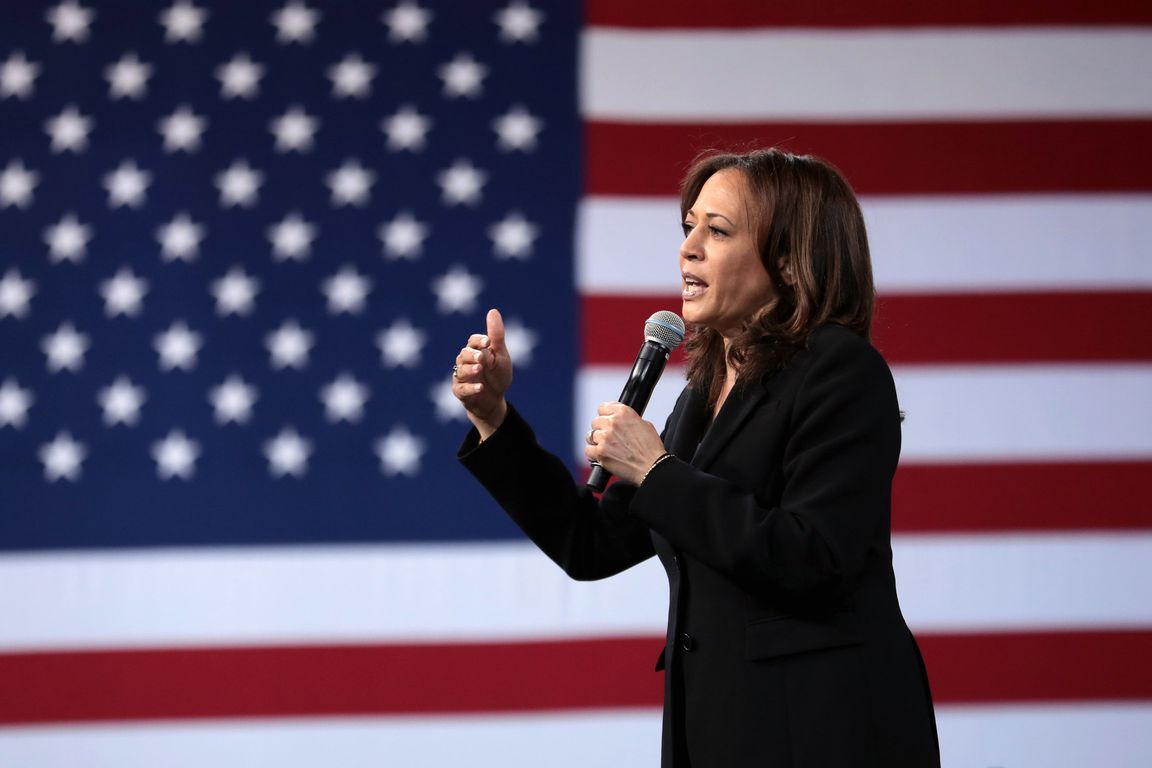
Her identity reflects both Black American and South Asian heritage, showing that racial identity can be inclusive rather than exclusive
-
Her public career demonstrates how multicultural backgrounds can strengthen leadership and representation
Cultural Representation and Its Effects Around the World
Kamala Harris’s race has had an impact around the world, not just in the US. People in India and Jamaica are quite proud of her success. International news outlets regularly point up her ethnicity as a sign of the global ties that define modern leadership.
This response from throughout the world proves that race and identity can cross national lines. Harris’s story links diasporic communities all over the world, which supports the premise that cultural legacy is still vital in countries that are becoming more globalized.
Problems and Criticism
Even though many people support Kamala Harris, there have been some disagreements over her race. Some critics have said that her identity shouldn’t matter as much as her policy ideas. Others have exploited her race to attack her legitimacy or to appeal to certain segments of voters.
These arguments show that there are still problems with how race is talked about in politics. But Harris’s usual answer has been to talk about togetherness, policy goals, and shared values instead of divisive language.
Conclusion
Kamala Harris’s race is a lot more than just a list of her ancestors. It’s a narrative of immigration, strength, pride in one’s culture, and change in history. Her Black and South Asian ancestry exemplifies the variety of contemporary America and contests antiquated notions regarding national leadership.
Add More:- Kamala Harris Schedule Today – December 25, 2025: What Kamala Harris Is Doing on Christmas Day